Professional Tree Pruning Services
Skilled Pruning for Northern KY Residents


Who We Are
Your Dedicated Tree Care Partner
Your trees are one of your property’s most valuable assets — enhancing curb appeal, providing shade, and supporting a healthy environment. But to stay strong and beautiful, they need proper pruning from experienced professionals who understand tree biology, safety, and timing.
At Belgian Tree Service, our Certified Arborists and skilled crew provide professional tree pruning and trimming services throughout Northern Kentucky. We follow industry best practices and ANSI A300 standards to promote healthy growth, reduce risks, and protect your property.
Tree work is not a DIY job — it requires the right knowledge, equipment, and safety measures. While small pruning tasks can be handled by homeowners, large or mature trees should always be managed by qualified experts. Our team has the training, tools, and insurance coverage to safely handle everything from routine maintenance pruning to complex technical removals, ensuring your landscape stays safe, healthy, and beautiful year-round.
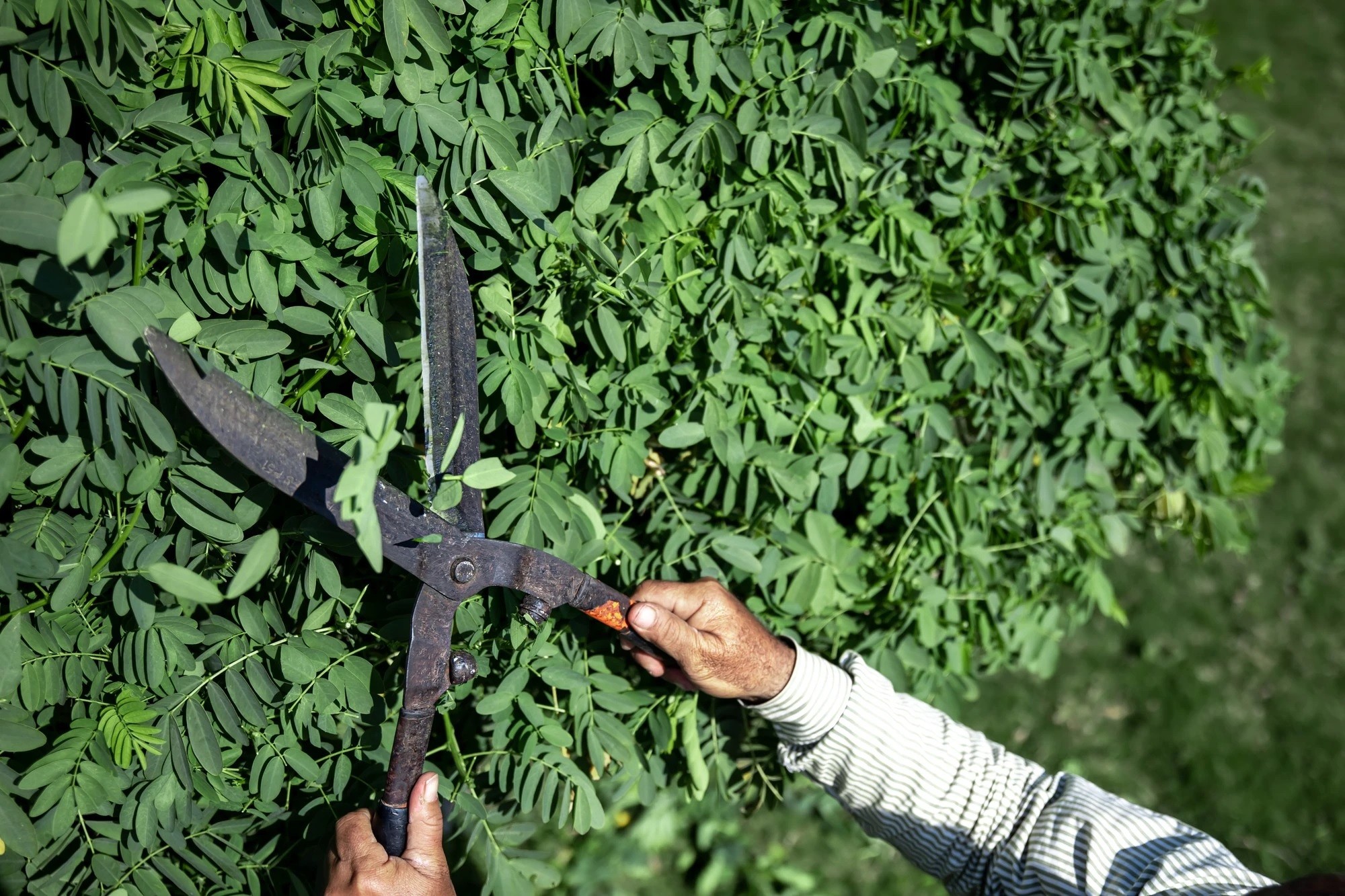
Ready to schedule a tree pruning consultation?
Call us at 859-495-3870 or click to request a proposal online.
Types of Tree Pruning Services
Every tree has unique needs. Our Certified Arborists carefully evaluate each one to determine the right pruning approach—balancing your goals for safety, aesthetics, and tree health while preserving its natural structure.
Crown Cleaning
We offer proactive pruning for young and mid-aged trees to encourage strong structure and balanced growth. By shaping trees early, we help prevent future structural issues, reduce the risk of storm damage, and lower long-term maintenance costs as your landscape matures.
Crown Thinning
We perform strategic pruning to selectively remove live branches and reduce crown density, improving light penetration and air circulation throughout the canopy. This promotes stronger growth, lowers the risk of storm damage, and maintains your tree’s natural shape and balance.
Crown Raising
We carefully remove lower branches to provide safe clearance for buildings, vehicles, pedestrians, and sightlines. This type of pruning requires precision to preserve proper trunk taper and maintain the tree’s long-term stability.
Crown Reduction
We reduce the height or spread of a tree’s crown when needed for utility clearance, view preservation, or risk management. Unlike harmful topping, proper crown reduction preserves the tree’s natural shape, strength, and overall health.
Structural Pruning
We provide proactive pruning for young and mid-aged trees to encourage healthy branch structure and natural form. This early care helps prevent future issues and minimizes maintenance as your trees grow.
Obstructed View Pruning
We offer selective pruning to improve views without compromising tree health or beauty. Using advanced techniques, our arborists carefully thin and shape the canopy to create clear, lasting view corridors while maintaining the tree’s natural form.
Fruit Tree Pruning
We provide expert fruit tree pruning to promote healthy growth, increase fruit production, and improve overall tree structure. Our arborists remove weak or overcrowded branches to maximize sunlight, airflow, and yield — keeping your fruit trees productive and thriving year after year.
Our Partner
Our Tree Care Partner



Process
Initial Consultation and Assessment
Your tree care starts with a Certified Arborist consultation. We assess tree health, note site challenges, and create a tailored pruning plan with clear, upfront pricing.
Planning and Site Preparation
Before pruning begins, we handle all prep work — permits, local guidelines, and utility coordination. Every project includes a detailed safety plan to protect your property and our crew.
Professional Pruning Day
On the scheduled day, our crew arrives on time and ready to work. We review the plan with you, set up safety zones, and use professional-grade equipment to perform every cut to ANSI A300 standards for safety and precision.
Thorough Clean-up
We keep your property clean from start to finish. Debris is managed throughout the job, branches are chipped or removed, and the area is left spotless when we’re done.
Final Inspection
Before we leave, we conduct a final inspection and review the work with you, offering recommendations for future tree care.

Protect Your Investment
Overgrown or unstable trees can seriously impact your property value. Let our team help preserve and enhance your landscape's worth.
Never attempt to prune trees near power lines. Only qualified line clearance workers should work within 10 feet of electrical lines. If you notice branches growing into power lines, contact Duke Energy for professional assistance.
How it works
Industry-Leading Safety Equipment and Protocols
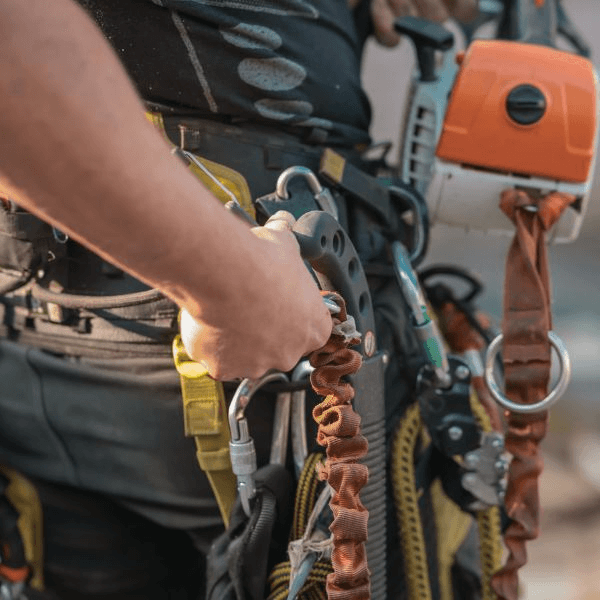
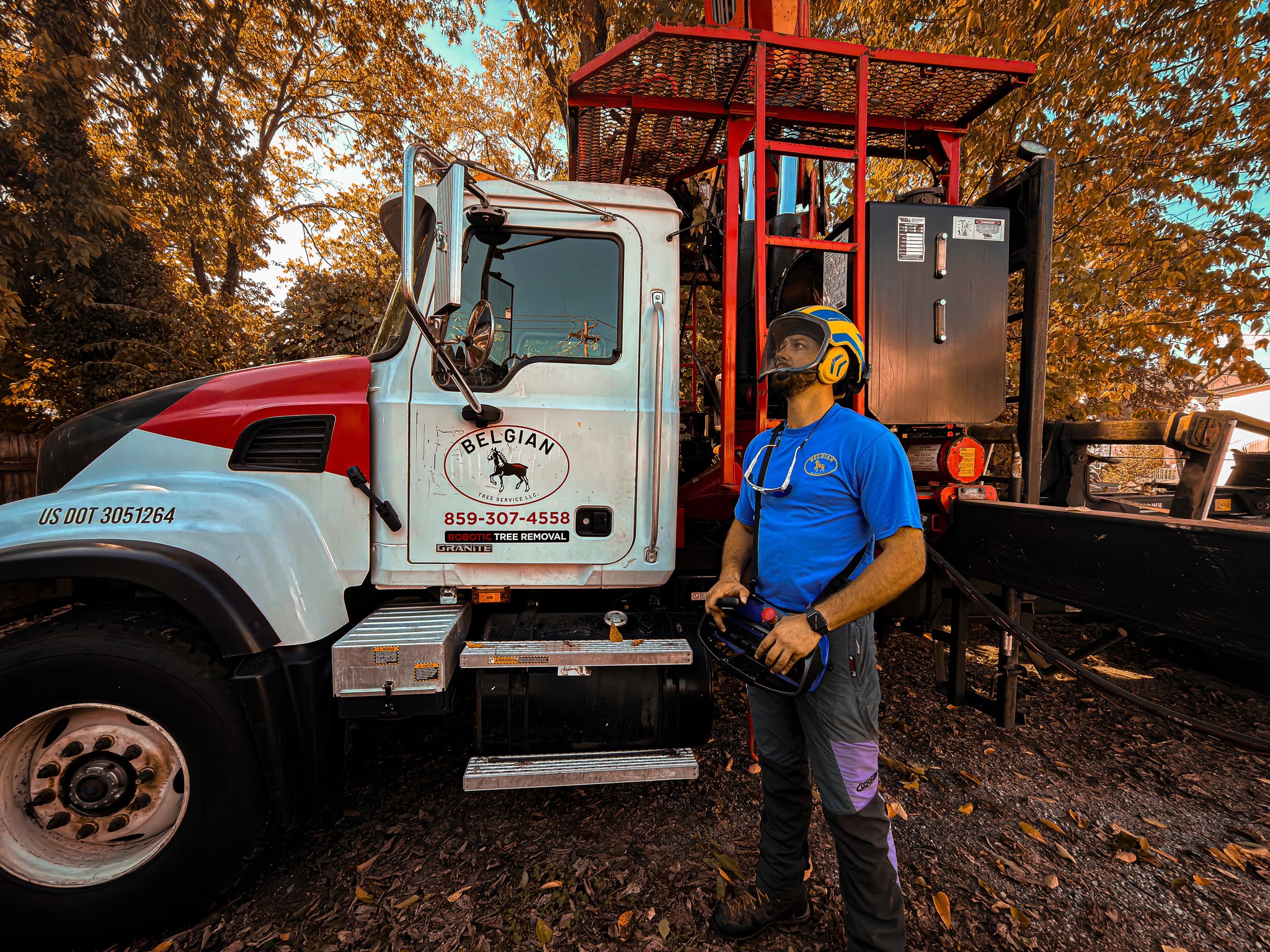
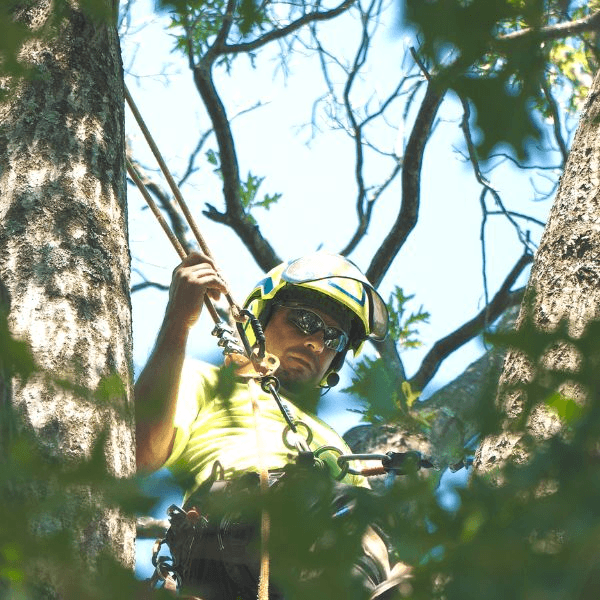
Before any work begins, our crew establishes clear safety zones and positions equipment for optimal access and protection. Every crew member is equipped with complete safety gear, including helmets with face protection, cut-resistant clothing, professional climbing gear, and high-visibility garments that exceed industry standards.
Safety Guidelines During Tree Work
For safety, we ask that everyone stay indoors during overhead work and keep pets secured. Our crew manages traffic and maintains clearly marked work zones at all times.
Advanced Property Protection Methods
Our crew uses advanced rigging for precise branch removal and protects delicate landscaping as needed. We’re fully insured for your peace of mind.
Preparing
Ensuring Safe and Easy Site Access
Ensure our crew can easily access the work area by unlocking gates and clearing vehicles from driveways and nearby parking areas. If you have an automatic sprinkler system, please turn it off during service. Let us know about any invisible fencing or underground features we should avoid.
Protecting Your Outdoor Belongings
The day before service, remove portable outdoor items like furniture, grills, and potted plants from the work zone. Point out any sensitive plants or garden features to the crew leader. A clear workspace allows us to complete your pruning project efficiently while protecting your outdoor belongings.
Preparing Your Home and Family
Our work may create noise during regular business hours, so you might want to plan quieter activities away from the work area. We recommend closing windows near the work zone and keeping pets in a comfortable indoor space where they won't be disturbed by the equipment sounds.

Best Times for Tree Pruning: General Guidelines
Timing matters. Routine pruning during optimal seasons promotes healthy growth, while deadwood removal can be done year-round.
Dormant Season Pruning Benefits
Our standard service includes complete removal of all branches, leaves, and debris. We chip appropriate materials and haul everything away, leaving your property clean and tidy.
Spring Flowering Tree Pruning Guidelines
For trees that bloom in spring, like dogwood, cherry, and magnolia, wait until after flowers fade to prune. This preserves the current year's blooms while giving trees time to develop next year's buds during summer growth.
Fall Pruning Considerations and Limitations
While minor pruning can be done in fall, we generally recommend waiting until winter for major pruning work. Fall cuts heal more slowly, and certain fungal diseases spread more readily during this season.
Summer Pruning for Growth Management
Light pruning during summer can effectively slow down unwanted growth and remove storm damage. This timing works well for fast-growing species and when you need to maintain specific clearances around structures or utilities.
Not sure when to prune your trees?
Schedule a free consultation with our pruning professionals to create a customized pruning plan.

Winter Pruning Season: December through February
The best time for major structural pruning is while trees are dormant. Pruning during this period minimizes stress, reduces the risk of disease, and improves branch structure before spring growth.
Spring Growth Management: March through May
Active growing season calls for careful pruning to manage rapid shoot growth and maintain clearance from buildings and power lines. Post-bloom is also a great time to prune flowering trees like dogwoods and redbuds.
Summer Health & Storm Prep: June through September
Focus on removing dead, damaged, or weak branches to prevent storm damage during summer thunderstorms. Light thinning helps improve airflow and reduce the risk of fungal issues common in humid conditions.
Fall Maintenance Window: October through November
This is an ideal time for general maintenance and improving tree structure before winter. Remove deadwood, correct poor branching habits, and ensure trees are stable ahead of potential snow or ice accumulation.
Professional Off-site Disposal
Our standard service includes complete removal of all branches, leaves, and debris. We chip appropriate materials and haul everything away, leaving your property clean and tidy.
Complimentary Wood Chips
If you'd like wood chips for landscaping, we can dump the chips from pruned branches in a pile. Usually, this will be in your driveway or another spot that’s easily accessible for our chip truck.
Ready to learn more about pruning costs for your trees?
Schedule a free evaluation for detailed pricing.
Why Choose Belgian Tree Service for Your Tree Pruning Needs
Professional Credentials That Protect Your Investment
Our certified team stays trained in the latest tree care practices, ensuring your trees receive safe, expert care year-round.
Comprehensive Insurance and Safety Standards
Your property’s safety is our priority. We’re fully insured, and our crews follow strict ANSI A300 pruning and safety standards.
We have the right equipment for any challenge
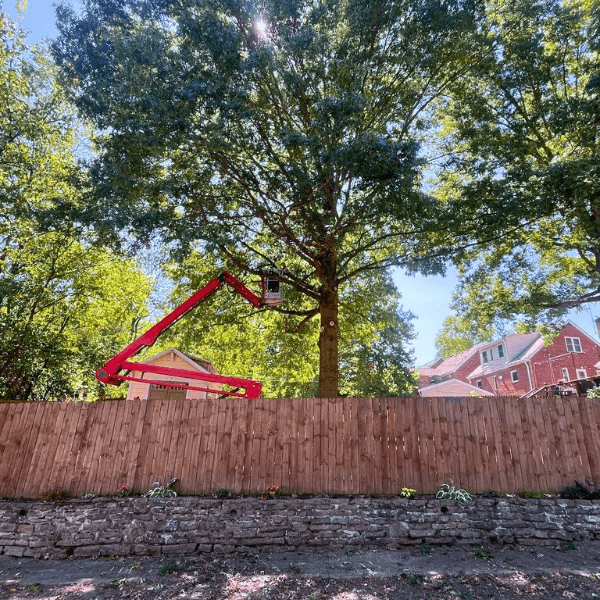
From spider lifts to bucket trucks, our modern equipment lets us handle any pruning job safely and efficiently.
Local Experience with Regional Tree Species
As lifelong Northern Kentucky residents, we know local tree species and conditions, ensuring proper pruning for every tree.
Testimonials



“From the very first consultation, Livohaus felt like the right choice. The team was organized, transparent, and truly cared about the details. Our home feels brand new.”
- Tanya L., Irvine
How much does professional tree pruning cost?
Professional tree pruning costs vary based on tree size, location, and work complexity. Factors such as tree height and spread, accessibility for equipment, and proximity to structures can make the project more challenging. During our free initial site visit, we evaluate these factors and provide a detailed written proposal so you’ll know what to expect.
How often should trees be professionally pruned?
Most mature trees benefit from professional pruning every 3-5 years, while young trees need more frequent pruning to develop proper structure. However, factors like tree species, location, and growth rate affect timing. Our tree care professionals can create a custom pruning schedule for your trees.
What's the difference between tree trimming and pruning?
While these terms are often used interchangeably, pruning typically involves selective removal of specific branches for tree health and structure. Trimming usually refers to more routine maintenance like clearing buildings or maintaining shape. Our services cover both needs.
Can you prune trees near power lines?
We do not prune trees in direct contact with power lines. For your safety, only specially certified line clearance arborists are allowed to perform that work. However, we can coordinate with Duke Energy to request that the lines be blanketed. Once the lines are properly covered and it’s safe, we can perform pruning near them. Please never attempt to prune branches near power lines yourself.
Will pruning harm my trees?
Professional pruning actually benefits trees by removing dead or diseased branches, improving structure, and promoting healthy growth. Our Certified Arborists follow scientific pruning standards to minimize stress and support long-term tree health.
Do you clean up after pruning?
Yes, thorough cleanup is included with every pruning service. We remove all debris, rake the area, and can either haul away the material or leave wood chips if you prefer. Your property will be left clean and tidy.
What's the best time of year for pruning?
While the ideal timing depends on tree species and pruning goals, most trees can be pruned year-round if needed. However, certain times offer specific benefits: Winter: Best for structural pruning of dormant trees Spring: Ideal after flowering for spring-blooming trees Summer: Good for slowing unwanted growth Fall: Best limited to deadwood removal and hazard reduction
How do I know if my trees need pruning?
Common signs that indicate pruning is needed include: Dead, dying, or broken branches Branches touching buildings or power lines Dense canopy blocking light Crossing or rubbing branches Storm damage Blocked views or access
Have more questions about tree pruning?
Our Certified Arborists are here to help.
Process
Comprehensive Property Tree Assessment
While our arborists are on your property for pruning, they can provide a thorough evaluation of all your trees. This proactive assessment helps identify:
Early Detection of Tree Health Issues
Our Certified Arborists check for signs of decline, disease, or structural problems that could affect your trees' health and safety. Early intervention often prevents costly problems later.
Safety and Clearance Evaluation
Our experts assess your entire property for potential hazards or clearance issues, including:
Dead or declining branches
Storm damage risks
Interference with structures
Blocked sightlines or access points
Professional Tree Support Systems
Some trees need additional support beyond pruning. Our structural support services help preserve valuable trees that show signs of potential failure.
Cable and Brace Rod Installation
For trees with structural challenges, we install professional support systems to:
Reduce stress on weak branch unions
Support heavy horizontal limbs
Stabilize co-dominant stems
Prevent storm damage in vulnerable trees
Testimonials
The Hidden Dangers of Tree Topping
Tree topping - cutting off the upper portion of a tree or making large heading cuts - causes serious harm to trees. This outdated practice creates hazardous conditions by:
Starving the tree by removing too many leaves
Creating weak, unstable new growth
Opening large wounds that invite decay
Destroying the tree's natural form
Shortening the tree's lifespan
Planning and Site Preparation
Instead of topping, our tree care professionals use proper crown reduction techniques that maintain your tree's natural form while achieving height control goals. These methods:
Preserve the tree's structure and health
Create smaller wounds that heal properly
Maintain stable branch attachments
Provide longer-lasting results
Keep your property safe
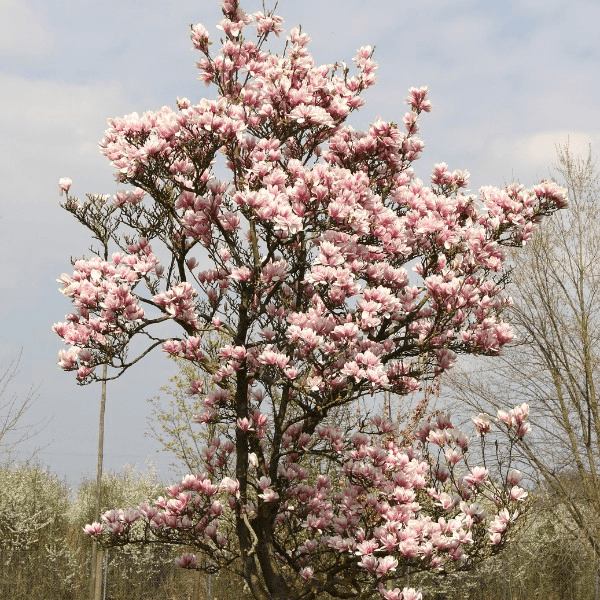
Magnolia Trees
Prune magnolias sparingly to preserve their natural shape. Remove dead or damaged branches after flowering, and avoid heavy pruning, as it can reduce future blooms.
Dogwood Trees
Dogwoods benefit from light pruning to remove crossing branches and improve airflow. Prune in late fall or winter to minimize the risk of disease.
Cherry Blossoms
Prune cherry trees in late summer to avoid introducing silver leaf disease. Focus on thinning crowded branches and maintaining their graceful structure.
Japanese Maples
These ornamental trees respond well to light, selective pruning. Remove dead wood and thin interior branches to enhance their form – best done in late winter or early spring.
Want to protect all your trees?
Ask about our comprehensive tree care assessment during your pruning consultation.